
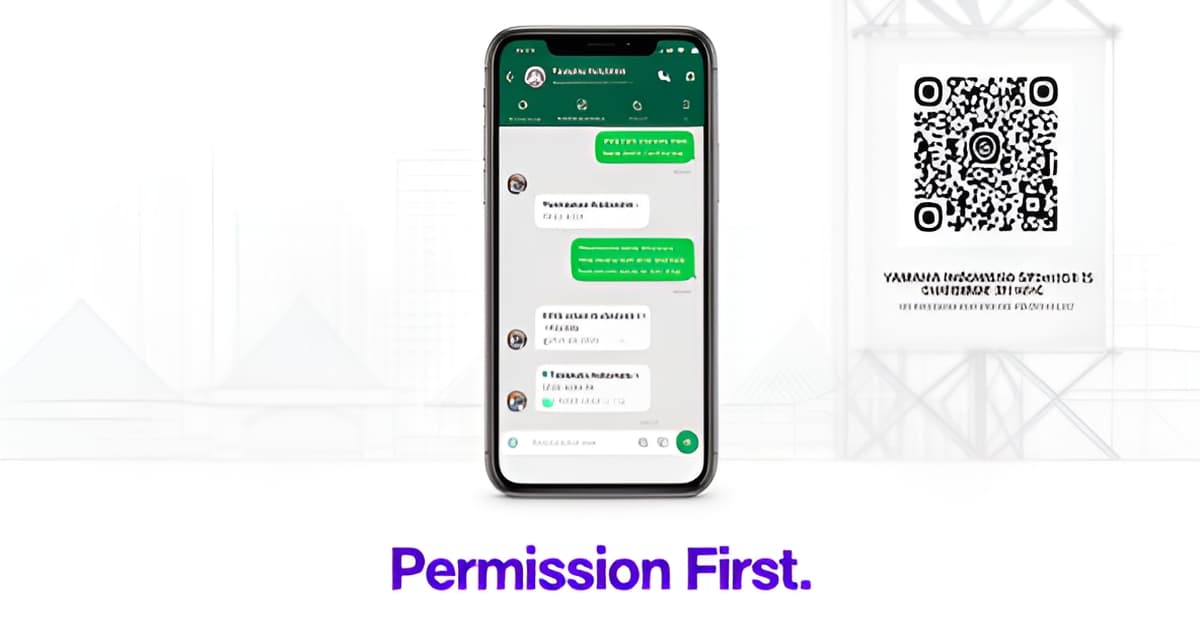
On October 21, 2026, global messaging platform Infobip and Yamaha Indonesia Motor Manufacturing announced they're expanding a collaboration that has already been running for more than two years. The centerpiece is WhatsApp. According to the announcement, over 75% of Yamaha Indonesia's customers actively use the app, so the motorcycle maker has woven it through its websites, social channels, and customer touchpoints, and pushed it into live events. At Pekan Raya Jakarta, thousands of daily visitors scanned QR codes to join surveys, profiling questions, gamified activities, and prize redemption, which Yamaha says improved lead capture, follow-up, and remarketing.
Key points
- Infobip and Yamaha Indonesia Motor Manufacturing announced on October 21, 2026 that they're deepening a WhatsApp engagement partnership that has run for more than two years.
- Over 75% of Yamaha Indonesia's customers actively use WhatsApp, and the company built QR-code opt-in activations at events like Pekan Raya Jakarta to grow its permissioned contact base.
- Yamaha's use cases (lead follow-up, remarketing, reactivation, surveys) map directly onto structured AI calling campaign types like Speed-to-Lead, Win-Back, and Surveys.
- The announcement makes no mention of consent rules, AI disclosure, or opt-out handling, which is exactly where North American operators can't afford to be vague.
- Messaging-first platforms and managed voice campaigns are complements: multi-touch blitzes that blend calls, texts, and emails cover the demographics and use cases chat alone can't reach.
Strip away the press release language and the strategy is straightforward. Yamaha is converting attention into permissioned contacts, then running structured follow-up against those contacts. Someone scans a QR code at a trade fair, answers a few profiling questions, and becomes a reachable, consented lead. From there, Yamaha can follow up on new leads, run remarketing, and personalize conversations based on what the person actually told them. Adita, Digital Customer Experience Manager at PT YIMM, framed it as using digital engagement to improve every stage of the customer journey. Kukuh Prayogi, Enterprise Business Director at Infobip Indonesia, pointed to Indonesian buyers who now expect speed, convenience, and personalization because they research purchases on social media and YouTube before ever walking into a dealership. Both sides say the next phase adds automation, chatbots, and personalized journeys across Indonesia's automotive sector. One caveat worth keeping in mind: every number and outcome in this story comes from a single vendor press release, syndicated across six outlets with no independent reporting attached. The 75% WhatsApp figure and the 'thousands of daily visitors' are company claims.
Here's the part that matters if you run outbound outreach for a multi-location business. Yamaha didn't buy a list. It didn't blast cold contacts. It built an opt-in machine at a physical event, captured explicit permission, and then engaged. That's the same discipline we build every campaign around at My AI Call Center: we only run calls against approved, permissioned, or reviewed lists, we check list source and consent records before launch, and we decline bought lists that lack clear permission records. When every touchpoint starts with consent, everything downstream gets easier. Deliverability improves because people actually want to hear from you. Compliance risk drops because you can document where each contact came from. And the data you collect is first-party, which means it's yours, it's accurate, and it routes cleanly into your CRM. Yamaha's QR activations are a big-brand version of what any clinic, franchise, or membership business can do with the sign-up sheets, intake forms, and past-customer lists it already owns. The permissioned list you're sitting on right now is probably your most underused asset.
Read the release closely and you'll notice what's missing. There's no mention of consent rules, AI disclosure, or opt-out handling. In Indonesia, that may be a smaller gap. For North American operators, it's the whole ballgame. AI-generated voices are treated as artificial voices under the TCPA, which means prior express consent is required before you dial. State-specific quiet hours, day restrictions, and registration rules apply. Recipients can ask whether a call is AI-assisted, request a human, or opt out, and keyword opt-outs like STOP and REVOKE need to be honored immediately and carried into your DNC records. Yamaha's release talks about 'personalized journeys' and 'measurable business impact' without publishing a single number. That vagueness is common in platform announcements. Our answer to it is simple: we report what actually happened. Every campaign closes with a dispositioned contact list, outcome counts with disposition codes like confirmed, qualified, renewed, opted out, or no answer, per-call notes, routed follow-ups, and complete opt-out and DNC logs. No invented numbers. If a channel partner or platform can't tell you exactly what happened on each contact, you're flying blind.
Infobip sells messaging infrastructure. It's a platform, which means someone on your side has to build the flows, write the bots, and maintain them. That works if you have a technical team. Most organizations with 1 to 200 staff don't, which is why we sell campaigns rather than software: you tell us the one clear goal, we quote the whole campaign before launch, and we run it for you. There's also a channel reality here. WhatsApp dominates in Indonesia. In North America, the phone still carries enormous weight, especially for the calls that actually move revenue: appointment confirmations, renewal calls 30 to 60 days before the renewal date, payment reminders a few days before due, win-back calls to 12 to 24 month dormants. Plenty of your contacts, particularly older patients, franchise customers, and lapsed members, respond to a voice conversation in a way they never will to a chat thread. That's why our multi-touch Database Reactivation Blitz campaigns blend calls, texts, and emails over a two to four week window instead of betting on one channel. Yamaha's playbook validates the demand for AI-assisted, consent-based outreach. It just covers half the board.
Yamaha's campaign types read like a checklist our clients run every month. Lead follow-up is our Speed-to-Lead campaign, where new leads get called within minutes inside approved windows and after-hours leads queue for the first call next business day. Remarketing maps to Win-Back and Reactivation calling. Event surveys map to our Surveys and Feedback campaigns, and Yamaha's profiling questions map to Lead Qualification. If a global manufacturer is investing two-plus years in exactly these workflows, the underlying demand is proven. The question for a smaller organization is only who runs it. Start with one clear goal per campaign. Review your list and its consent records before anything launches, and be honest about whether the list can support the campaign, because it's cheaper to hear that before you spend anything. Approve the script, disclosure, and escalation path yourself. Then demand a named outcome report with disposition codes when it's done. That's the whole difference between outreach that produces a slide deck and outreach that produces bookings.
The Infobip and Yamaha Indonesia expansion is a vendor announcement, and its numbers are company-claimed. But the strategic signal underneath it is real and worth your attention: the world's biggest brands are moving their customer outreach toward permissioned contact data, structured follow-up, and measurable outcomes. If you run a clinic, a franchise, a recruiting desk, or a membership business, you don't need a CPaaS contract to do the same thing. You need permissioned lists, one clear goal per campaign, disciplined opt-out handling, and outcome reporting you can trust. Managed AI calling gets you there without building a bigger call center, and without building anything at all. You can see the full campaign catalog at myaicallcenter.app/campaigns, or start a free campaign review at myaicallcenter.app.