
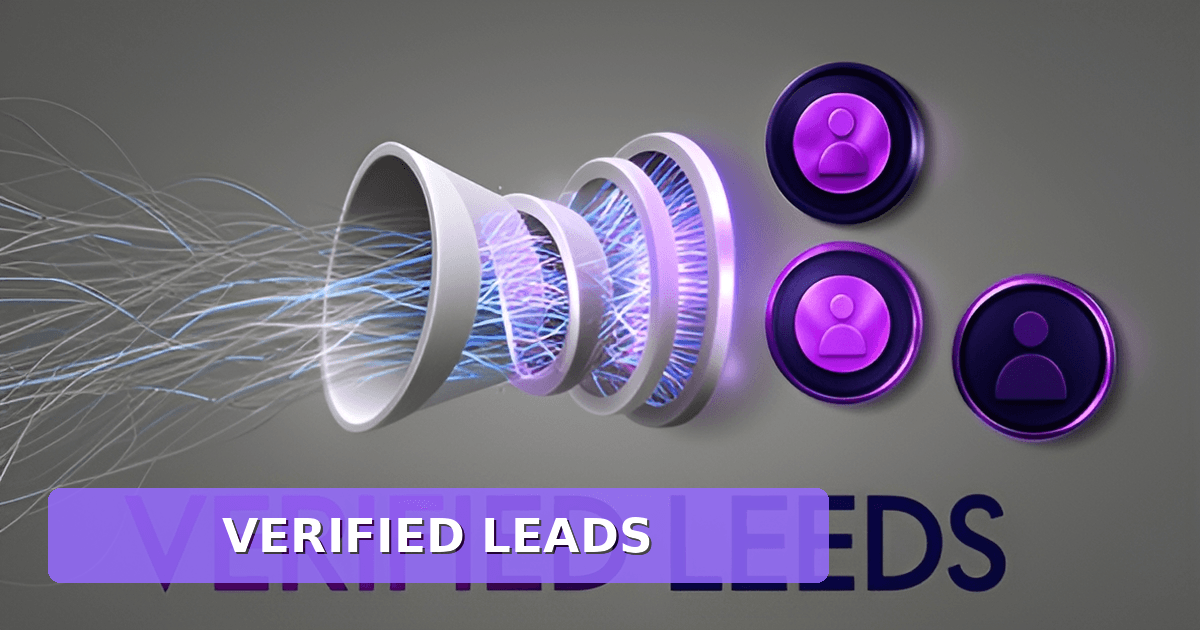
How to buy leads for your business?
Key Facts
- Contacting leads within five minutes makes qualification 21 times more likely than waiting thirty minutes.
- A hard bounce rate above 3–5% signals stale or scraped data before purchase.
- The B2B lead generation market will grow from $10.09B in 2024 to $32.85B by 2035 at an 11.33% CAGR.
- Only 23% of companies respond to leads within the critical five-minute window according to industry data.
- 78% of buyers choose the first company that responds to their inquiry according to research.
- Consent documentation must be an auditable record of the event, not a CRM checkbox per compliance experts.
- North America leads the global lead generation services market with $2.1 billion in 2025 according to market analysis.
Why Bought Leads Become a Liability Without Proof
Most buyers shop for leads the way they shop for anything else: by price, by volume, by how fast the list lands in their CRM. That's exactly backwards. The real cost of a lead isn't what you pay for it. It's what happens when you dial a number you can't prove you were allowed to call.
A lead without proof is a potential liability for both parties, according to ActiveProspect's TCPA compliance guidance. The seller can't hand you a clean defense if a consumer files a complaint. You can't hand one to your carrier if your numbers start getting flagged. And the dialer minutes you spent on unverifiable records are gone.
The TCPA gives consumers a private right of action, and the FCC enforces it. The FTC's Telemarketing Sales Rule can layer on top. "Prior express written consent" isn't a checkbox. It's specific about who the seller is and what the consumer agreed to. When that record doesn't exist, the damage shows up in ways that hurt before any lawsuit does.
Here's what "missing proof" looks like in practice:
- Calls get branded "Spam Likely" by carriers, and answer rates crater.
- Complaints pile up, triggering carrier filtering that blocks your outbound numbers.
- Dialer capacity burns through bad records while live agents wait.
- Buyer–seller relationships fracture when the same lead gets recycled to multiple callers.
The root cause isn't bad actors. It's unclear disclosures, missing documentation, and misaligned expectations between the list source and the caller. A screenshot of a consent form isn't proof. A "trust us" isn't proof. Per-lead records of what the consumer actually saw at submission are proof.
This is why any serious outbound operation treats list review as a checkpoint, not a formality. At My AI Call Center, the list source and consent records are checked before any campaign launches, and bought lists without clear permission records are flagged and in most cases declined. The team tells you plainly if the list won't support the campaign, before you spend anything. The alternative is finding out after your numbers are blacklisted and your dialer minutes are already gone.
Proof before price. That's the only order that protects both sides.
The Four Questions Every List Source Must Answer
Price is the last thing you should discuss with a lead vendor. The first thing is proof. TCPA compliance guidance puts it plainly: if a seller can't show you where traffic comes from, what the consumer saw, and how consent is documented, you're not buying leads, you're buying risk.
That reframing matters because the lead market is growing fast and getting noisier. The B2B lead generation market is projected to grow from $10.09 billion in 2024 to $32.85 billion by 2035, an 11.33% compound annual growth rate. More vendors means more lists in circulation, and more lists means more chances to buy one that won't hold up under scrutiny.
Before you send money to any list source, make them answer four questions.
Where does the traffic come from? A legitimate seller tells you the traffic origin: owned websites, partner publishers, paid search, co-registration networks. If the answer is "proprietary sources" or "our secret sauce," walk away. Hidden traffic means hidden consent, and hidden consent is a liability you inherit the moment you dial.
What did the consumer actually see? You need the form, the disclosure language, and the submission path. Not a screenshot. Not a verbal assurance. The consent language should sit near the call-to-action button, read cleanly on a phone, and match the outreach method you plan to use (calls, texts, prerecorded or AI voices all require specific authorization).
How is the seller identified, and how far does consent reach? "Prior express written consent" is specific about naming the seller and the scope of contact. If the lead was captured for one brand and you're a different brand calling under a different number, the consent may not cover you at all. Shared leads raise this risk sharply.
How are opt-outs and revocation handled? Every list needs a working process for STOP and REVOKE requests, plus a suppression record that carries across campaigns and buyers. A vendor who shrugs off revocation handling is one who will leave you holding complaints, carrier filtering, and "Spam Likely" flags.
These are the specific red flags that should trigger an immediate decline:
- Traffic sources described as proprietary or secret, with no verifiable origin
- Seller cannot produce the form, disclosure, or submission path the consumer saw
- Proof of consent is "trust us" or a single screenshot instead of consistent per-lead records
- Lead details shift across systems with no stable lead ID tying the record together
- Complaints blamed on "buyers calling too fast" rather than consent quality
ZoomInfo adds a practical test on top of these: run a sample export before you commit. A hard bounce rate above 3–5% on that sample is a warning sign that the list is stale or scraped. Pair that test with the four questions above and you get a real read on what you're about to buy.
At My AI Call Center, this is the standard we apply before any campaign launches. We review list source, consent records, and calling windows as part of every engagement. Bought lists without clear permission records get flagged, and in most cases declined. We tell you plainly if the list won't support the campaign, before you spend anything.
A lead without proof is a potential liability for both parties. Treat consent documentation as a retained, auditable record of the consent event, not a checkbox in your CRM. That record is what protects your ability to operate at scale.
Testing a Sample Export Before You Commit
A list that looks clean on the surface can still be 30% bad data, and you won't know until you test it. Before you commit budget to a purchased list, run a small sample export and measure it against your ideal customer profile.
According to ZoomInfo's guide on lead generation companies, a hard bounce rate above 3–5% on that sample is a warning sign. Bounce rates above that range typically signal outdated contact records, poor verification practices, or scraping that wasn't validated against current sources. Treat anything in that zone as grounds to renegotiate, request a refreshed list, or walk away.
The same decision matrix applies to the broader buying question. ZoomInfo frames it as a platform-versus-agency choice that turns on internal capacity. Teams with in-house SDRs can buy data platform access and run prospecting themselves. Teams without SDR capacity benefit from outsourced agencies that build lists and book meetings. Teams that need pipeline now while building internal muscle often run both in parallel.
What that decision matrix doesn't capture is the execution layer that sits on top of either choice. Once a list is approved, somebody still has to call it, log outcomes, honor opt-outs, and route qualified contacts back into your CRM. That's where a managed calling campaign earns its place, regardless of whether the list came from a platform or an agency.
A practical pre-purchase checklist looks like this:
- Run a 100–500 record sample export and verify against your ICP criteria
- Calculate hard bounce rate; flag anything above 3–5%
- Confirm the seller can document traffic source, form copy, and per-lead consent records
- Decide whether your team runs the calling or hands it to a managed service
- Lock the calling rate and scope before launch so the number doesn't drift
If the sample fails the bounce test or the seller can't produce consent documentation, the answer is the same: don't buy. The cost of a bad list compounds across every call, every dialer minute, and every compliance exposure that follows. A short delay to find a better source is cheaper than scaling a list that was never going to work.
When the sample passes and the consent records check out, the next step is matching the list to a specific campaign goal. One clear outcome per campaign keeps the calling structured and the reporting honest.
Plan your campaign at myaicallcenter.app or review the insights hub at myaicallcenter.app/insights.
Preparing Consent Records as Auditable Evidence
A lead seller saying their list is "compliant" tells you nothing. As ActiveProspect's TCPA compliance guidance puts it, "'Compliant' isn't a claim, it's a record." If you can't produce what the consumer saw and when they agreed, you don't have consent evidence, you have a hope.
A real consent record starts with brand identification. The consent language must clearly identify the seller, and "prior express written consent" rules are specific about authorization and identifying who the consumer is agreeing to hear from. If the form said one company name and your outreach says another, the record doesn't support the campaign.
The language also has to match the outreach method. If you plan to call, text, or use an AI voice, the consent disclosure needs to say so. A form that only mentions email doesn't cover a dialer campaign. And the record must be an auditable trail of the consent event itself, retained and retrievable, not just a checkbox in a CRM field. My AI Call Center reviews list source and consent records before any campaign launches for exactly this reason: a list without proof behind it gets flagged, and in most cases declined.
For first-party lists you built yourself, check that you can demonstrate all four of these today:
- Your brand is clearly identified in the consent language, with no ambiguity about who will be contacting them.
- The language matches every outreach method you actually use: live call, text, prerecorded message, or AI voice.
- Opt-out and revocation requests are operationally honored, not just logged.
- You retain a timestamped, auditable record of each consent event, not a CRM checkbox.
Third-party lists need more scrutiny because you're trusting someone else's documentation. The seller must be explicitly identified in the consent language, that language must be clear and conspicuous rather than buried, and the seller must be able to show you the exact form and disclosures the consumer saw at submission. Per-lead proof-of-consent data should travel with the lead itself, and the seller needs controls preventing resale outside the consent scope.
Web forms deserve their own guardrails. Put consent language near or above the call-to-action button, keep it readable on mobile, and keep it out from behind tiny links. Treat the documentation as part of the product you're buying.
Watch for the red flags that signal a seller can't back up their claims. "Traffic sources are proprietary" or "secret sauce" is one. Proof that amounts to a screenshot or "trust us" rather than consistent per-lead records is another. So is a lead whose details change across systems with no stable ID, or a seller who blames complaints on "buyers calling too fast" instead of addressing consent quality.
The expensive TCPA problems, per the same guidance, usually come from unclear disclosures, missing documentation, and operational gaps, not malicious actors. That's good news: it means a disciplined intake process catches most of the risk before you spend a dollar.
From Approved List to Live Campaign
The moment you buy a lead, the clock starts. Speed dictates whether that contact becomes a customer or a complaint. The data is unforgiving on this point.
Research indicates that contacting a lead within five minutes makes qualification 21 times more likely than waiting thirty minutes. Meanwhile, 78% of buyers choose the first company that responds to their inquiry. If your team waits an hour, your close rate drops from 32% to 24%. Wait a day, and it falls to 15%.
Most businesses struggle with this reality. The average B2B response time is 47 hours. Only 23% of companies respond within that critical five-minute window. You cannot rely on human agents to catch every lead instantly, especially when 52% of leads arrive outside standard business hours.
This is where structured execution matters. You need a system that routes approved lists into immediate follow-up campaigns. At My AI Call Center, we handle this by queuing after-hours leads for the first thing next business day. This ensures no lead sits idle while the temperature cools.
Before any campaign launches, we verify the list source and consent records. We check for permission, review calling windows, and confirm the data matches your ideal customer profile. If the list lacks clear permission records, we flag it. In most cases, we decline it. We tell you plainly if the list will not support the campaign before you spend anything.
When a campaign does launch, you need proof of what happened. We do not invent numbers or guess at outcomes. Instead, we provide deliverables that document the entire process.
- A dispositioned contact list with specific codes for confirmed, qualified, or opted-out contacts.
- Outcome counts that reflect actual connected minutes and completed conversations.
- Routed follow-ups that land directly in your CRM or scheduling tools.
- Opt-out and DNC logs that are honored immediately and carried across campaigns.
This level of transparency protects you. It ensures that every call aligns with your compliance requirements. It also gives you a clear view of which leads converted and which ones need further nurturing.
You should treat consent documentation as an auditable record, not just a field in your database. Compliance experts emphasize that "compliant" is a record, not a claim. If a seller cannot show you where the traffic came from or how consent was captured, you are buying risk.
We build our campaigns around this discipline. Every script, disclosure, and escalation path is approved by you before launch. Nothing runs until you give the green light. The result is a structured process that respects the consumer while maximizing your speed-to-lead advantage.
Your goal is simple: run more useful calls without building a bigger call center. We manage the execution. You receive the data. The rest is up to your team to close the deal.
Frequently Asked Questions
What should I check before I actually pay for a lead list?
How can I tell if a purchased lead list is low quality?
Why is 'prior express written consent' so important for my campaign?
How fast do I need to call a lead after buying it?
What are the red flags that should make me decline a lead vendor?
Does My AI Call Center review lists before starting a campaign?
Proof Before Price: The Only Order That Protects Your Outbound Operation
Buying leads isn't a shopping decision, it's a due-diligence exercise. Before you send money to any list source, make them answer four questions: where the traffic comes from, what the consumer actually saw, how the seller is identified and how far consent reaches, and how opt-outs and revocations are handled. Run a 100–500 record sample export and flag any hard bounce rate above 3–5%; per ZoomInfo's guide on lead generation companies, that threshold is a warning sign the list is stale or scraped. Then treat consent documentation as a retained, auditable record of the consent event, not a checkbox in your CRM. Once a list passes, speed decides everything: contacting leads within five minutes makes qualification 21 times more likely, and more than half of leads arrive outside business hours. That's exactly where My AI Call Center earns its place, reviewing list source and consent records before any campaign launches, flagging lists without clear permission records, and telling you plainly if the list won't support the campaign before you spend anything. Start with the free campaign review at myaicallcenter.app, and know the full number before you approve launch.